
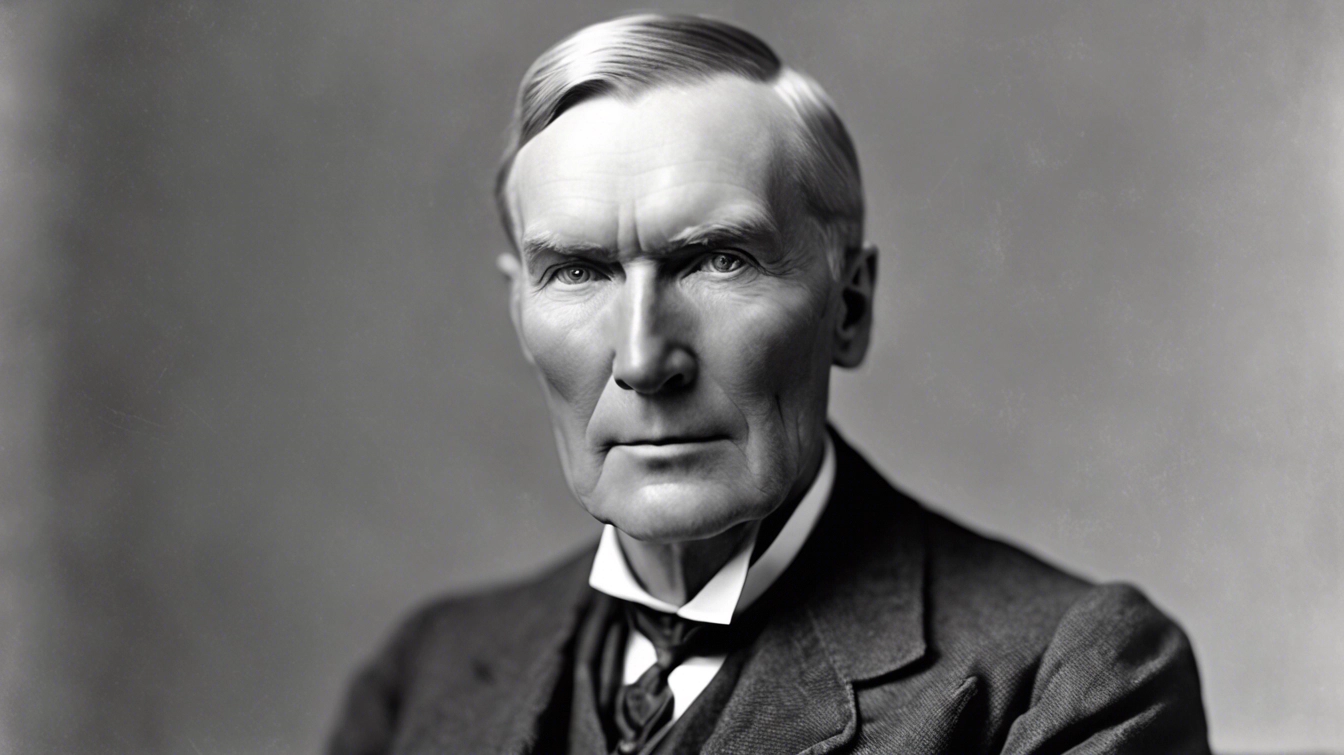
Invest Like a Rockefeller
Introduction
John D. Rockefeller, Sr., was one of the wealthiest individuals in history and a pivotal figure in the development of modern capitalism. His investment principles, which have been recorded through various writings and quotes, offer a blueprint for building and sustaining wealth. His approach to business was methodical, rooted in prudence, discipline, and an unwavering focus on long-term success. Rockefeller’s principles can be distilled into several key tenets that guided his financial decisions and his broader philosophy on wealth creation.
1. Discipline and Thrift
One of the cornerstones of Rockefeller’s philosophy was the practice of discipline and thrift. From a young age, Rockefeller was taught the value of saving and the importance of avoiding wastefulness. He famously kept a ledger of every penny he earned and spent, a habit he maintained throughout his life. This meticulous attention to his finances helped him understand the importance of managing resources carefully, a practice that would later influence his approach to business investments.
Rockefeller believed that living below one’s means and saving diligently was essential to building wealth. He was averse to unnecessary extravagance and always sought to maximize the utility of every dollar. This principle of thriftiness extended to his business dealings, where he sought to eliminate inefficiencies and waste, ensuring that his companies operated at peak profitability.
2. Focus on Control
Control was a central theme in Rockefeller’s investment strategy. He believed that true wealth and security came from having control over one’s investments. In his business dealings, he always sought to maintain a controlling interest in the companies he invested in or acquired. This allowed him to make decisions that were in line with his long-term vision and prevented external influences from jeopardizing his investments.
Rockefeller’s focus on control is most evident in his creation and management of Standard Oil. By consolidating smaller oil companies into Standard Oil, he gained control over the entire supply chain, from extraction to distribution. This vertical integration allowed him to reduce costs, stabilize prices, and outmaneuver competitors. Control over the business enabled Rockefeller to implement his strategies without interference, contributing to the immense success of Standard Oil.
3. Long-Term Vision
Rockefeller was a long-term thinker, always looking ahead to the future rather than focusing on short-term gains. He believed that wealth should be built steadily over time, with an emphasis on sustainability and resilience. His investments were guided by a clear vision of the future, and he was willing to make sacrifices in the short term to achieve long-term success.
This principle of long-term vision influenced his approach to business expansion. Rather than chasing quick profits, Rockefeller invested in infrastructure, research, and technology that would secure the future of his enterprises. He was patient and deliberate in his decision-making, understanding that the most significant returns come from investments that are allowed to mature over time.
4. Diversification and Risk Management
While Rockefeller is best known for his dominance in the oil industry, he was also a firm believer in diversification. He understood that concentrating all resources in one area could be risky, so he sought to spread his investments across various industries and assets. This approach helped to mitigate risk and provided a safety net in case one sector experienced downturns.
In addition to diversifying his investments, Rockefeller was cautious in his approach to risk. He preferred to make well-informed decisions and avoided speculative ventures. His investments were based on thorough research and a deep understanding of the markets he was entering. This cautious approach to risk management allowed Rockefeller to preserve his wealth and avoid catastrophic losses.
5. Innovation and Efficiency
Rockefeller was a pioneer in adopting new technologies and methods to improve efficiency in his businesses. He understood that innovation was key to staying competitive and maximizing profits. In the oil industry, Rockefeller invested in research and development to improve refining processes, reduce waste, and increase production efficiency.
His emphasis on efficiency extended beyond technology to business practices. Rockefeller was a master of optimizing operations, cutting costs, and streamlining processes. He believed that even small efficiency improvements could lead to significant financial gains over time. This focus on innovation and efficiency was a driving force behind the success of Standard Oil and other ventures he was involved in.
.
6. Ethical Responsibility and Philanthropy
Despite his reputation as a ruthless businessman, Rockefeller held strong ethical beliefs and saw wealth as a means to do good in the world. He believed that with great wealth came great responsibility and that it was the duty of the wealthy to use their resources to benefit society. This belief led to Rockefeller becoming one of the most significant philanthropists in history.
Rockefeller’s approach to philanthropy was strategic, just like his approach to business. He focused on causes that aligned with his values and where he believed he could make the most impact. He invested in education, public health, and scientific research, establishing institutions like the University of Chicago and the Rockefeller Foundation, which have had lasting positive impacts on society.
7. Strategic Acquisitions and Partnerships
Rockefeller’s success was also due in part to his strategic approach to acquisitions and partnerships. He was skilled at identifying companies that were undervalued or had potential for growth and acquiring them at the right time. Once he acquired a company, he integrated it into his existing operations, creating synergies and increasing overall efficiency.
Rockefeller also understood the importance of forming partnerships with key stakeholders. He built relationships with suppliers, distributors, and even competitors when it was beneficial. These partnerships allowed him to expand his influence and control over the industry, further solidifying his dominance in the market.
8. Adaptability and Resilience
Throughout his career, Rockefeller demonstrated a remarkable ability to adapt to changing circumstances. The oil industry, in particular, was fraught with volatility, yet Rockefeller managed to navigate these challenges by being flexible and responsive to new developments. Whether it was changes in technology, market conditions, or regulatory environments, Rockefeller was always prepared to adjust his strategies to maintain his competitive edge.
This adaptability was coupled with resilience. Rockefeller faced numerous challenges and setbacks throughout his career, from economic downturns to legal battles. However, he remained steadfast in pursuit of his goals, always finding ways to overcome obstacles and emerge stronger. His resilience was a key factor in his enduring success.
9. Attention to Detail and Hands-On Management
Rockefeller was known for his attention to detail and hands-on approach to management. He believed that understanding the intricacies of his businesses was crucial to making informed decisions. Despite the size of his empire, Rockefeller stayed involved in the day-to-day operations, ensuring that everything was running smoothly and according to his standards.
This attention to detail extended to his financial management. Rockefeller meticulously tracked his income and expenses, ensuring that he always had a clear picture of his financial position. This level of involvement and oversight allowed him to maintain control and make adjustments as needed to maximize profitability.
10. Commitment to Integrity
Integrity was a core value for Rockefeller, both in his personal life and business dealings. He believed that trust and reputation were invaluable assets and that maintaining high ethical standards was essential to long-term success. Rockefeller’s commitment to integrity earned him the respect of his peers and helped him build lasting relationships with business partners and clients.
While some of his business practices were controversial, Rockefeller believed that he was acting in the best interests of his company and the industry as a whole. He viewed his actions as necessary to create stability and order in a chaotic market, and he always strove to act in accordance with his principles.
Conclusion
John D. Rockefeller’s investment principles were rooted in discipline, control, long-term vision, and a commitment to innovation and ethical responsibility. His approach to wealth creation was methodical and deliberate, guided by a clear understanding of the markets and a focus on sustainability. Rockefeller’s ability to adapt to changing circumstances, coupled with his attention to detail and commitment to integrity, allowed him to build one of the most successful business empires in history.
By following these principles, Rockefeller not only amassed great wealth but also left a lasting legacy of philanthropy and social impact. His life and career offer valuable lessons for investors and entrepreneurs seeking to build and preserve wealth in a rapidly changing world. Whether through strategic acquisitions, risk management, or a focus on efficiency, Rockefeller’s approach to investment remains relevant and influential to this day.
This summary highlights the core principles that guided John D. Rockefeller’s investment strategies and offers insights into how he built and maintained his wealth.
Jerry W. Williams, Reagan & Reid, Inc., and WALE Holdings, LLC try to follow these principles and share our investment opportunities with others.
